

Home Insurance in Northern Ireland: Buildings & Contents Cover
Get in TouchHome insurance in Northern Ireland: buildings and contents cover, what your lender requires and what it costs
Home insurance has two halves. Buildings insurance covers the structure of your home and the cost of repairing or rebuilding it; contents insurance covers what you would take with you if you moved. If you have a mortgage, buildings cover is a condition of the loan and has to be in place on the day you complete. Contents cover is your choice, and most Northern Ireland homeowners take both as one combined policy.
This page explains what each half covers and excludes, how much cover you need and why the rebuild cost is the number that matters, what a lender will and will not insist on, the Northern Ireland points worth knowing, flood risk, older and non-standard construction, and what the premium is built from. Crawford Mulholland arranges buildings and contents insurance for homebuyers, movers and existing owners across Belfast and Northern Ireland, usually at the same time as the mortgage. For the long-form explainer, see our guide to home insurance in Northern Ireland.
In short
- Buildings cover is required by every mortgage lender from completion; contents cover is optional but usually sensible.
- You insure the rebuild cost, not the price you paid; in Northern Ireland the two are often different numbers.
- Cover needs to start on legal completion, not moving day; a policy arranged with the mortgage removes that risk.
- Standard policies include flood cover; higher-risk postcodes are priced through Flood Re, which applies in Northern Ireland.
- Accidental damage, home emergency, legal expenses and personal possessions away from home are the add-ons worth a decision rather than a default.
Buildings insurance: what it covers and what it does not
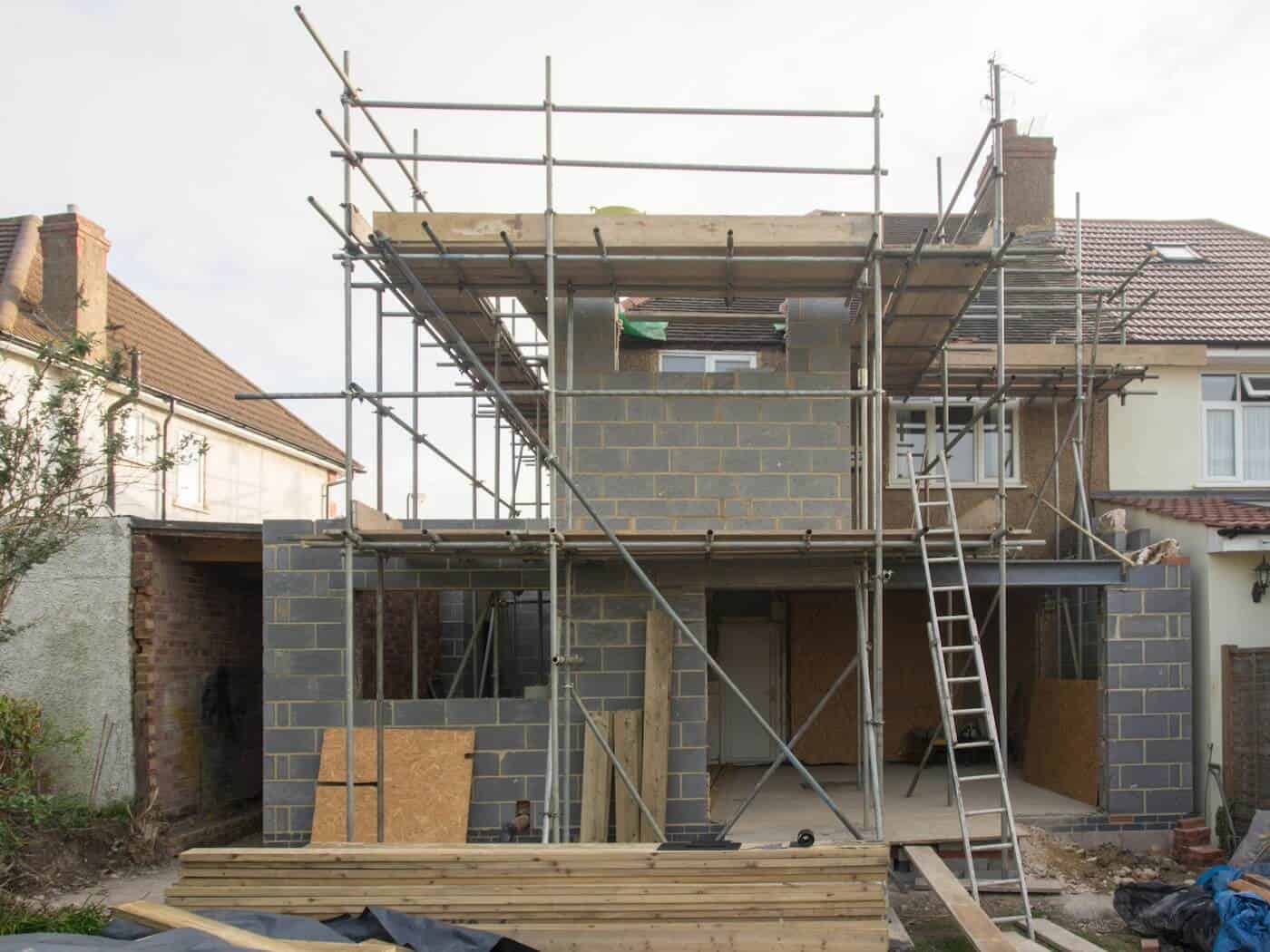
Buildings insurance covers the permanent structure: walls, roof, floors, ceilings, windows and doors, fitted kitchens and bathrooms, built-in wardrobes, the boiler and the wiring, and usually garages, sheds, drives, fences and boundary walls. It pays to repair or rebuild after an insured event, and the standard list of events is long: fire, lightning, explosion, storm, flood, escape of water from pipes and appliances, theft and attempted theft, subsidence, heave and landslip, impact by vehicles or falling trees, and malicious damage.
Three things are commonly not covered unless you add them. Accidental damage, the drill through a pipe or the foot through the ceiling, is an optional extra on most policies. Wear and tear and gradual deterioration are never covered; a roof that has simply reached the end of its life is a maintenance cost, not a claim. And unoccupancy: most policies restrict cover after 30 or 60 consecutive days empty, which matters if you are renovating before moving in or between selling and completing.
Policies also carry an excess, the first part of any claim you pay yourself, and often a higher one for escape of water and subsidence specifically. Escape of water is one of the most common home insurance claims in the UK, so that excess is the one to read.

Contents insurance: what counts and how much you need
Contents are the things that are not fixed to the building: furniture, carpets and curtains, electrical goods, clothes, kitchen equipment, books, bikes, jewellery and the contents of the garage and shed. The simplest test is to imagine turning the house upside down; what falls out is contents.
The sum insured is the cost of replacing everything as new, and most people underestimate it. Walk through each room and add it up, including the things you never think about: the contents of the loft, the garden furniture, the children’s belongings. A typical three-bedroom family home in Northern Ireland holds more than most owners’ first guess, and insuring for too little means a claim is reduced in proportion.
Limits and add-ons to decide on
- Single-item limits. Most policies cap individual valuables, often at £1,500 to £2,500, unless you list them separately. Engagement rings, watches and bikes are the usual casualties.
- Personal possessions away from home. Cover for phones, laptops, bags and jewellery outside the house, including abroad.
- Accidental damage to contents. The glass of wine on the laptop.
- Home emergency. A call-out service for the boiler, plumbing, electrics or locks, with a cap per claim.
- Legal expenses. Disputes with neighbours, employers or retailers, covered up to a set limit.
Tenants insure their own contents; the landlord’s policy only covers what the landlord provided. If you are letting a property rather than living in it, you need landlord insurance, not a home policy.
What your mortgage lender requires, and when cover has to start
Every mortgage lender in Northern Ireland makes buildings insurance a condition of the loan. The policy must cover at least the rebuild cost stated in the valuation, must be in force from the date you complete, and the lender may ask to be noted on it. Some lenders will offer you their own policy; you are never obliged to take it, and you are free to insure wherever you like provided the cover meets their conditions.
The date is the part that goes wrong. For an existing property, the building becomes your responsibility on legal completion, which is often not the day you move in. For a new build, it is usually legal completion as well, even if the developer’s warranty runs alongside. A buyer who waits until the keys are in hand has been uninsured for the gap. Arranging the policy as part of the mortgage timeline fixes the start date to the right day automatically.
If you are a first-time buyer, this is one of the costs that belongs in your budget for buying alongside solicitor’s fees and stamp duty. If you are moving home, the existing policy needs to move with you or be replaced, and the two properties may need cover at the same time for a short period. If you are remortgaging, the new lender will check the cover again, which is a good moment to check the sum insured still reflects the house.

Northern Ireland specifics, and what the premium is built from
Rebuild cost, not market value
You insure the cost of clearing the site and rebuilding the house from scratch, including professional fees. In Northern Ireland that figure is frequently lower than the purchase price in Belfast’s more expensive postcodes, and can be higher than the purchase price for a large older house in a cheaper area. The figure is in your mortgage valuation or survey; the ABI’s rebuild cost calculator is a reasonable check. Index-linked policies move the sum insured with building costs each year, which is worth having after the construction inflation of the last few years.
Flood risk
Standard policies include flood cover. Properties in higher-risk areas, near rivers, loughs and low-lying coast, can face higher premiums or excesses, and Flood Re, the scheme that keeps flood cover available for homes in those areas, applies in Northern Ireland. The Department for Infrastructure’s flood maps show the risk for a specific address before you buy.
Older and non-standard construction
Belfast’s Victorian and Edwardian terraces, rural stone-built farmhouses, thatched roofs, listed buildings and homes with flat roofs or timber frames can all need specialist cover or a more careful insurer. Mainstream policies may exclude them or price them badly. Tell us about the construction early, because the lender will want proof of cover before completion and specialist policies take longer to place.
What drives the premium
Rebuild cost, location and the flood and subsidence risk attached to the postcode, the age and construction of the property, the sum insured for contents, your claims history, the security in place, the excess you choose and whether you pay annually or monthly. The levers that bring it down are the same as for any insurance: an accurate rebuild figure rather than a rounded-up one, a voluntary excess you could actually pay, approved locks and alarms, and carrying small claims yourself to protect the no-claims discount.
Why arrange home insurance with the mortgage
Comparison sites are good at one thing: the lowest headline premium for a standard house on a standard day. They are poor at the three things that cause claims to be reduced or declined: the wrong rebuild cost, the wrong start date and a construction type the policy did not expect. Arranging the cover with the mortgage means the sum insured comes from the valuation, the start date comes from the completion date, and the property is described to the insurer the way the surveyor described it to the lender.
It also means one conversation about all of it. The buildings and contents policy, the life cover the lender does not require but most families want, and the income protection that keeps the mortgage paid if you cannot work, are looked at together against one budget, rather than bought separately and overlapping.
The protection that sits alongside your home
Insuring the building protects the bricks. These protect the people paying for it:
- Life insurance pays out if you die during the term, typically to clear the mortgage.
- Critical illness cover pays a lump sum on diagnosis of a specified serious condition.
- Income protection replaces part of your income if illness or injury stops you working.
None of them is compulsory. Which combination makes sense depends on the household, the mortgage and what you already have through work, and that is the conversation we have at the same time as the home insurance.
Home insurance FAQs (Northern Ireland)
-
Do I legally need home insurance in Northern Ireland?
There is no law requiring it, but every mortgage lender makes buildings insurance a condition of the loan and will expect it in place from completion. Contents insurance is always optional, though most owners take it.
-
What is the difference between buildings and contents insurance?
Buildings covers the structure and permanent fixtures: walls, roof, floors, fitted kitchens and bathrooms. Contents covers everything you would take with you if you moved. Most homeowners buy both as a combined policy from one insurer.
-
How much buildings cover do I need?
Enough to clear the site and rebuild the house, including professional fees. That is the rebuild cost, not the market value, and your mortgage valuation or survey normally states it. Insuring for market value usually means paying for cover you could never claim.
-
When does my home insurance need to start?
From the date you legally complete, not the date you move in, because that is when the property becomes your responsibility. For a new build it is usually legal completion too. We fix the start date as part of the mortgage timeline.
-
Does home insurance in Northern Ireland cover flooding?
Standard policies include flood cover. Homes in higher-risk areas may face higher premiums or excesses, and Flood Re, the scheme that keeps flood cover affordable for those homes, applies in Northern Ireland.
-
Do I have to buy insurance from my mortgage lender?
No. You can insure wherever you like as long as the policy meets the lender’s conditions, usually that it covers at least the rebuild cost from completion. Comparing independently usually gives a better balance of price and cover.
-
Is accidental damage included?
Not usually as standard. Accidental damage to buildings and to contents are separate optional extras on most policies, and worth adding for a family home.
-
What is an excess, and why is it different for water damage?
The excess is the first part of any claim that you pay yourself. Escape of water is one of the most common home insurance claims, so many insurers apply a higher excess to it, and subsidence usually carries a higher excess again. Check both before you buy.
-
Can I get home insurance for an older or non-standard property?
Usually, but often not from a mainstream insurer. Stone-built rural houses, thatched roofs, listed buildings, flat roofs and timber frames may need specialist cover. Arrange it early, because the lender wants proof of cover before completion.
-
What happens if I rent out my home?
A standard home policy will not cover a let property, and most insurers will restrict or void cover once it is tenanted. You need landlord insurance instead, which adds property owners’ liability and can include loss of rent. See our landlord insurance page.
Talk to us about home insurance
We arrange buildings and contents insurance for clients across Belfast and Northern Ireland alongside their mortgage, so the cover starts on completion day, matches the property and meets the lender’s conditions. If you already own, we will check the sum insured still fits the house and whether the policy you have is the policy you need.
Book a free appointment · Get in touch · 028 9066 5544
Buildings and contents insurance is a general insurance product. Cover, exclusions and premiums vary by insurer and property and are subject to underwriting; this page is general information, not a personal recommendation. Always read the policy documents before you buy. Crawford Mulholland Financial (MCSM Financial Ltd, FRN 948332) is regulated by the Financial Conduct Authority.