

Self‑Build Mortgages in Northern Ireland
Get in TouchIn a hurry? A self‑build mortgage is designed for people building their own home in Northern Ireland. Instead of releasing all funds upfront, lenders often release money in stages as the build progresses. The right approach depends on your deposit, build costs, plans/permissions and whether you already own land or a property to remortgage.
For a full overview of mortgage options (including specialist scenarios), start here: Mortgage advice in Northern Ireland
What is a self‑build mortgage?
A self‑build mortgage is a mortgage product that aligns lending with the build process. Unlike buying an existing property, you’re funding:
- Land purchase (if you don’t already own it)
- Professional fees (architect, engineer, planning, building control)
- Materials and labour
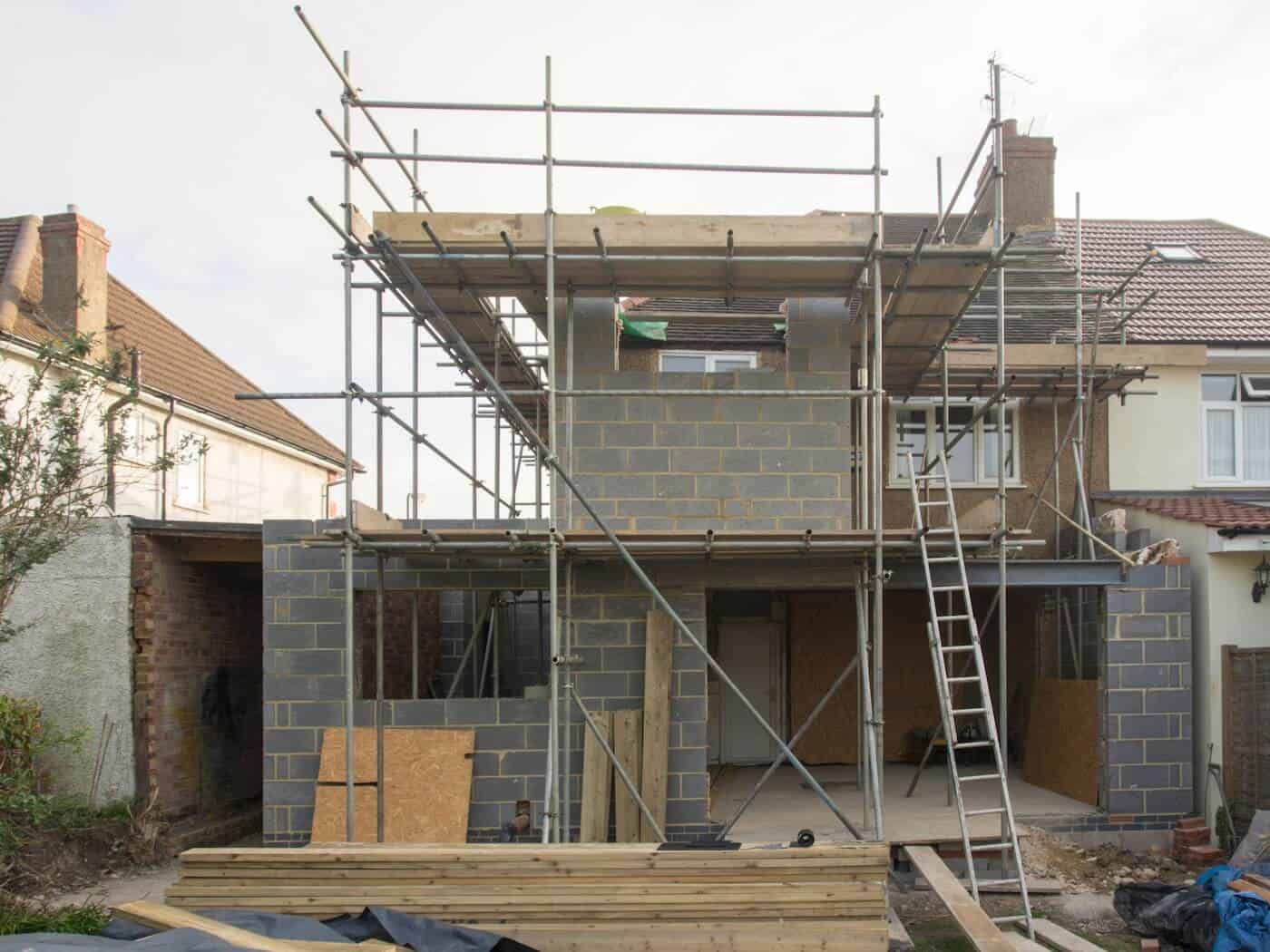
- Stage completion milestones (foundations, wall plate, wind & watertight, first fix, second fix, completion, etc.)
Most self‑build mortgages work on a stage release basis. That means the lender releases money either:
- In arrears (after each stage is completed and inspected), or
- In advance (before each stage, which can help cashflow — subject to criteria)
Both routes exist; what’s “best” depends on your cashflow and build structure.
Who a self‑build mortgage is for
You might be a good fit if you are:
- Building on land you already own (or inherited)
- Buying a plot and building a main residence
- Replacing an existing dwelling / building a new home on family land
- Converting a property where lenders treat it similarly to a build
- Funding a build while also selling a current home
If you’re moving home as part of the plan (e.g., selling then building), your overall timeline matters — and so does contingency. (If you’re working to a “sell then move” schedule, this will also relate to the new Moving Home page you’re publishing.)
How self‑build mortgages typically release funds (example stages)
Every lender’s stages differ, but a common build path looks like:
- Land / plot (if applicable)
- Foundations
- Wall plate / structure
- Wind & watertight (roof on, doors/windows in)
- First fix (wiring, plumbing, internal structure)
- Second fix (kitchen, bathrooms, finishes)
- Practical completion / sign‑off
What matters for approval is that the stages are:
- Clearly costed
- Supported by realistic timeframes
- Matched to valuations/inspections
What lenders want to see for a self‑build in NI
Self‑build underwriting is more “project‑based” than a normal mortgage. Lenders commonly assess:
1) Budget and build costs (with contingency)
A strong application includes:
- A detailed cost breakdown
- Evidence that you can cover overruns (a contingency is normal)
- Clarity on what is DIY vs contracted out
2) Plans, permissions and professional involvement
Most lenders expect:
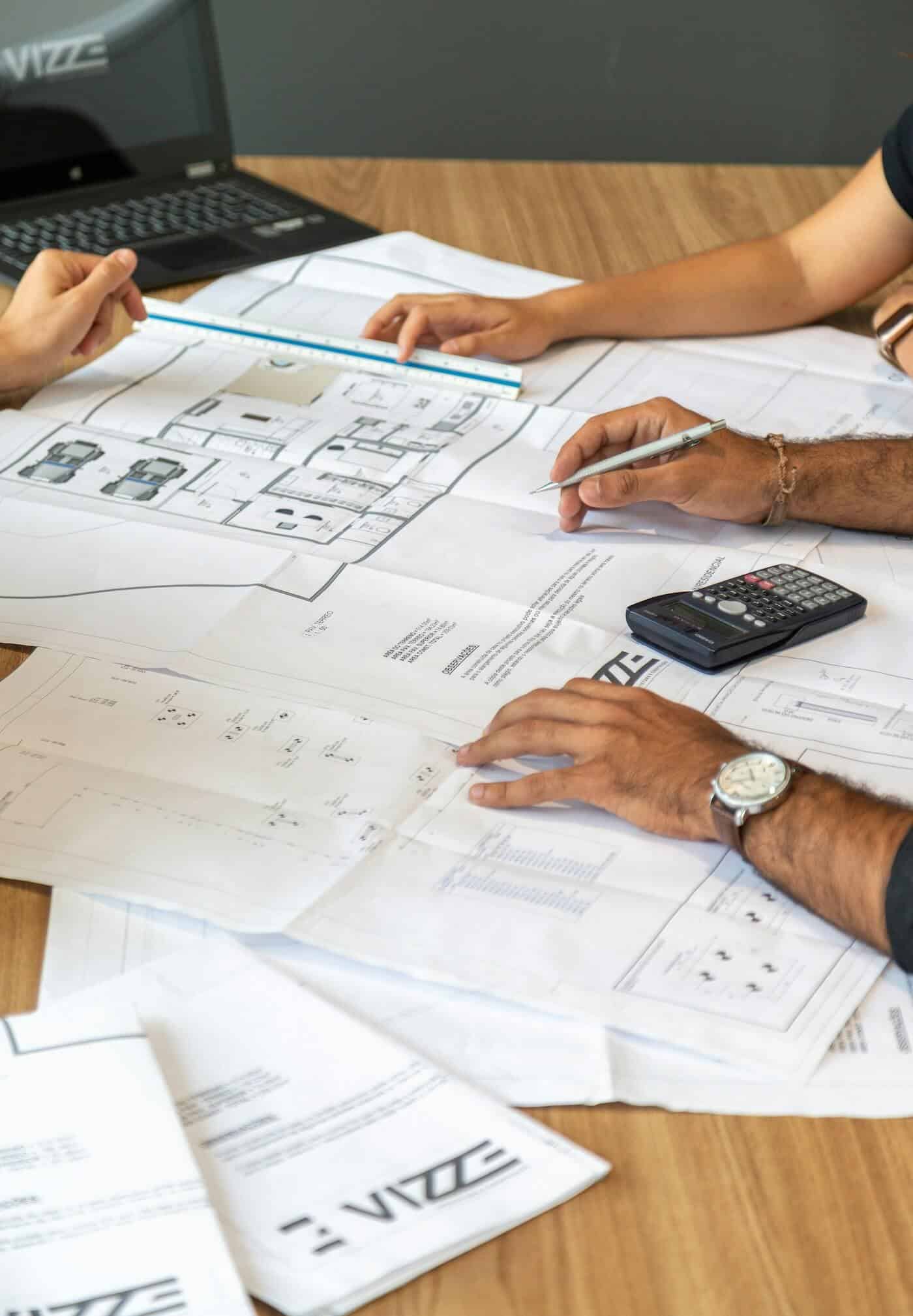
- Plans/drawings
- Planning position (approved or well progressed)
- Professional input (architect/engineer and reputable contractors where needed)
3) Your income and affordability (as normal)
A self‑build is still a mortgage: the lender must see you can afford it.
If you’re self‑employed or contracting (including construction/engineering roles with variable income), this can be relevant: Self‑employed & contractor mortgages
4) The security and valuation approach
Valuations may consider:
- Land value + build cost
- Projected end value (depending on lender and stage)
This affects:
- Deposit requirements
- Loan‑to‑value
- Which lenders are realistic early on
Common self‑build funding routes (and when they fit)
Route A: Self‑build mortgage (stage release)
Often best when you want a single structured mortgage aligned to build stages.
Route B: Remortgage to raise funds for a build
Sometimes suitable if you have strong equity in an existing home and want to fund some build costs upfront. (This can still involve staged lending depending on strategy.)
Explore remortgage basics here: Remortgages
Route C: Buy land now, build later
This can work, but timing, planning, and lender appetite matter. If your plan is phased, you need a clean paper trail and realistic dates.
A practical checklist before you apply
If you’re early stage, focus on clarity rather than perfection.
Project documents
- Plot details / title / purchase info
- Plans and specification (what you’re building)
- Costings (materials + labour + professional fees)
- Build schedule with stages
- Builder quotes (if using contractors)
- Insurance approach for the build (you’ll likely need specialist cover — separate to standard home insurance)
Personal documents
- ID and proof of address
- Income evidence (employed: payslips/P60; self‑employed: accounts/tax docs)
- Bank statements
- Deposit evidence
To streamline the fact‑find stage, use: Mortgage questionnaire

Cost planning: what people forget (and it matters)
Self‑build budgets can drift when these aren’t planned in:
- Professional fees (architect, engineer, surveys)
- Utility connections and drainage
- Driveway, landscaping, boundary work
- Kitchen/bathroom upgrades beyond allowances
- Temporary accommodation during the build
- Delays due to weather or contractor availability
The goal isn’t to scare you — it’s to make sure your mortgage structure matches reality.
Timeline: what to expect (typical)
A self‑build timeline depends on permissions, build method and contractor availability, but a sensible plan often looks like:
- Initial feasibility + budgeting
- Plot secured (if applicable)
- Planning and design finalised
- Mortgage decision and stage structure agreed
- Build begins
- Stage inspections and drawdowns
- Completion and sign‑off
- Move in + final mortgage position confirmed
Useful tools (before you commit)
Get a quick feel for potential repayments: Mortgage calculator
If you’re buying a plot or property as part of the build journey, stamp duty can be relevant: Stamp duty calculator
If you’re tidying admin/credit readiness before applying: Credit report & score
FAQs: Self‑build mortgages in Northern Ireland
-
Do self‑build mortgages release money upfront?
Often funds are released in stages (either in arrears or in advance), rather than all at once.
-
Can I get a self‑build mortgage if I already own the land?
Potentially, yes. Land ownership can strengthen the application — but lenders still need full costings, plans and a sensible schedule.
-
What deposit do I need for a self‑build?
It depends on the lender, the project risk profile and the land/end value relationship. Some builds require higher deposits than standard purchases.
-
Do I need planning permission first?
Some lenders prefer planning approved before full application; others will consider earlier stages. The route depends on your timeline and lender choice.
-
What happens if the build costs increase?
This is why contingency planning matters. It may be possible to restructure, but it’s far easier to plan properly before you apply.
-
Is a self‑build mortgage only for new builds?
Not always — some major conversions or rebuilds can be treated similarly, depending on lender criteria.
-
How long does the process take?
It varies widely. The more complete your plan, documents and costings, the smoother underwriting and stage approvals tend to be.
-
What’s the best first step?
Get clear on your budget and whether staged lending in arrears or advance fits your cashflow — then talk to an adviser before you commit to costs.
Ready to plan your self‑build funding properly?
A self‑build can be one of the most rewarding projects you’ll ever take on — but it’s also a finance project. We’ll help you understand your options, avoid common pitfalls and structure lending that fits your timeline.
If you want to speak to the team, start here: Contact
Your home may be repossessed if you do not keep up repayments on your mortgage.